Read this article in Français Deutsch Italiano Português Español
Global infrastructure leaders warn of threats to project delivery

23 September 2025
Political instability, fragile supply chains, and outdated delivery models are jeopardising infrastructure projects critical to economic growth, according to a new report that contains insight from senior leaders behind major construction projects such as Heathrow and JFK airports.
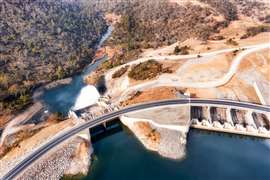 Without better coordination, delays, cost overruns, and disruptions for construction projects are likely to increase. Image: Revizto
The report references that the World Bank estimates that nine in ten major projects face delays or cost overruns, while McKinsey puts the cost of inefficiencies at US$1.6 trillion annually, with a third of that in the US.
With demand for infrastructure investment projected by the G20 to reach $94 trillion by 2040, leaders stress that systemic change is urgent.
The whitepaper, Beyond Short-Term Gains: Infrastructure Strategies for Lasting Economic Impact, from Revizto, a integrated collaboration platform used across architecture, engineering, and construction, suggests that without better coordination, delays, cost overruns, and disruptions are likely to increase.
To deliver mega projects on time and on budget, leaders are calling on governments, industry, and operators to commit to longer-term planning, adopt standardised delivery models, reinforce supply chains, and accelerate the use of digital tools across infrastructure projects globally.
The report highlighted the top five issues that its research has identified. These were: Political and financial risk; lack of standardisation; outdated practices; fragile supply chains; and fragmented collaboration.
Tony Caccavone, who is leading the construction of JFK Airport Terminal One, stressed that alignment with government is essential for a project’s success. “You need a bit of seed money to get the project moving, to get it developed to a certain level. But at the end of the day, you also need government policies to support, to enable investors to put more money in,” he said.
The report distills perspectives from policymakers, designers, operators, and sustainability executives across the UK, US, EU, Australia, and New Zealand.
STAY CONNECTED



Receive the information you need when you need it through our world-leading magazines, newsletters and daily briefings.



CONNECT WITH THE TEAM