Stronger concrete – inspired by lobsters

20 January 2021
New bio-mimicking research set to enhance 3D printing possibilities in large-scale construction
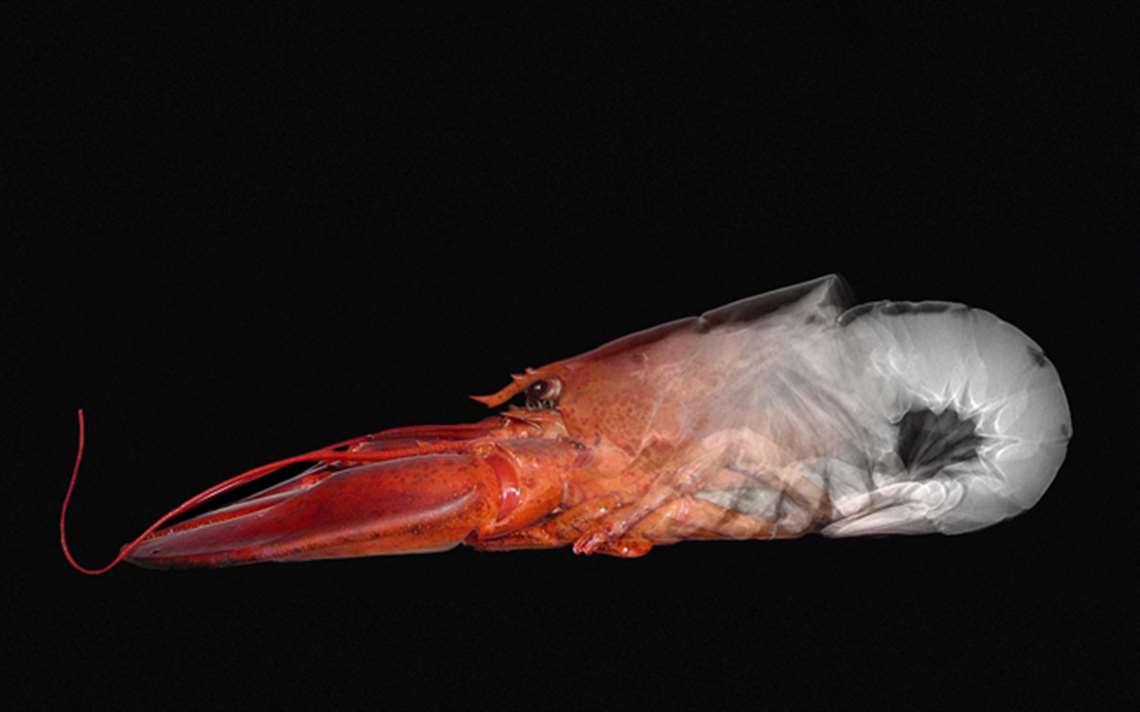 Concrete printing pattern is inspired by the internal structure of a lobster's shell. Image by Florian Elias Rieser, licensed under a Creative Commons Attribution-Share Alike 4.0 International license
Researchers in Australia have taken inspiration from the shell patterning on lobsters to enhance the strength of 3D-printed concrete.
The team from Melbourne’s RMIT University said that by using a twisting pattern, similar to the internal structure of a lobster’s shell, combined with a special concrete mix enhanced with steel fibres, the resultant 3D-printed structures were stronger, more efficient and more sustainable than traditionally-produced concrete.
Lead researcher Dr Jonathan Tran, said, “We know that natural materials like lobster exoskeletons have evolved into high-performance structures over millions of years, so by mimicking their key advantages we can follow where nature has already innovated.
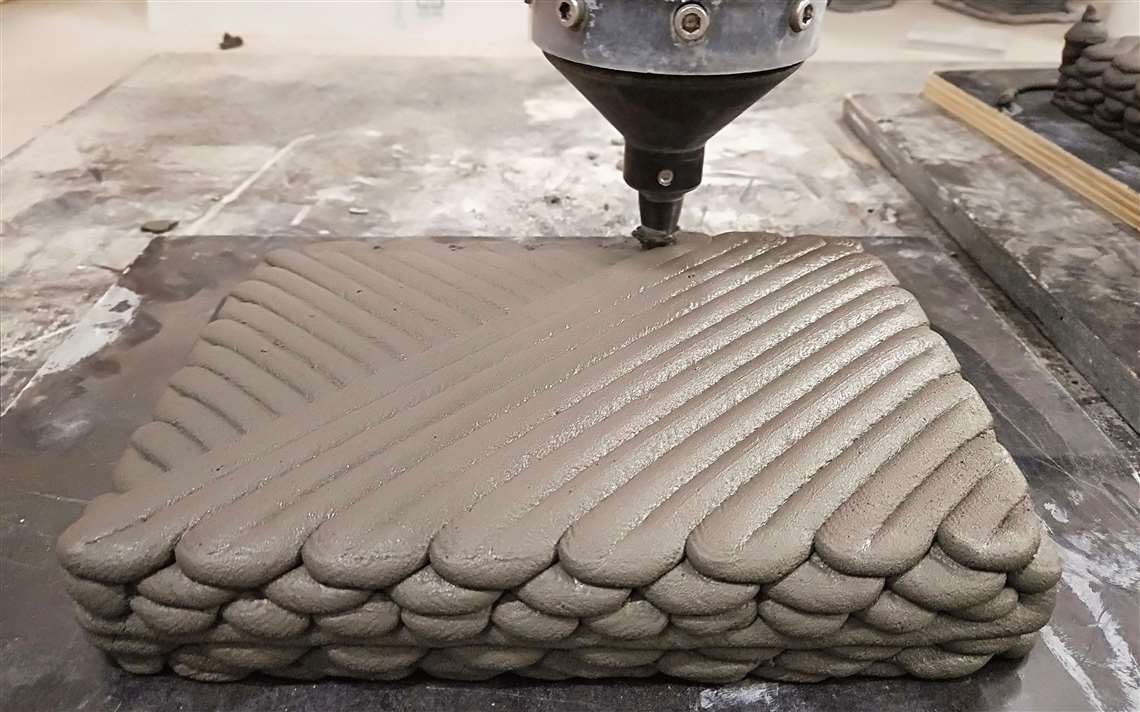 Lobster-shell-inspired patterning in 3D-printed concrete
“As lobster shells are naturally strong and naturally curved, we know this could help us deliver stronger concrete shapes like arches and flowing or twisted structures.”
Tran added, “This work is in early stages so we need further research to test how the concrete performs on a wider range of parameters but our initial experimental results show we are on the right track.”
While similar research on bio-inspired 3D printing has been ongoing for a few years, the current work by the RMIT team will be of particular interest to companies looking for affordable and sustainable methods of delivering large-scale concrete structures, strong enough for use in civil engineering projects.
STAY CONNECTED



Receive the information you need when you need it through our world-leading magazines, newsletters and daily briefings.


CONNECT WITH THE TEAM