Latest costs for California’s high speed rail revealed

22 March 2023
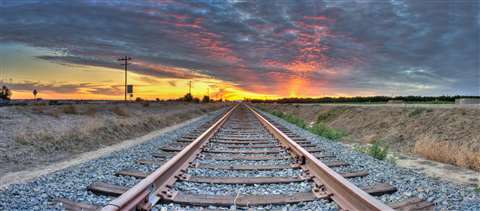 Costs have increased again for California's high speed railway link
The cost for California’s high speed rail system in the US has risen to US$128 billion, according to a California High Speed Rail Authority project update report – an increase of more than 20% from the previous estimate of US$105 billion from last year.
According to the report, the latest increases are due to “inflation/escalation, enhanced scope definition and greater contingency for risk.”
The rail authority’s next goal is to finish the 119-mile Central Valley line currently under construction by 2028, and its “highest priority” is to extend that line to the full 171-mile Merced-Bakersfield segment and start passenger service by 2030-2033.
Construction has been delayed due to difficulty relocating utilities and getting permissions, but the report said those problems are close to being solved and the authority has 96% of the right-of-way needed to build the line.
In his report to the state, CEO of the Rail Authority Brian P. Kelly, said, “Megaprojects that last for decades need long-term, stable funding. Every country around the world that has built high-speed rail has dedicated billions of dollars over several decades to see it through. We don’t have one penny of state support for this project identified after 2030.”
It was initially estimated in 2008 that the project would cost approximately US$33 billion.
England is experiencing similar problems with its HS2 train link. The UK government has announced that work on a major element of the high-speed rail network known as HS2 will be significantly delayed, due to high costs.
STAY CONNECTED



Receive the information you need when you need it through our world-leading magazines, newsletters and daily briefings.

CONNECT WITH THE TEAM