Eco-friendly rules aim to transform Abu Dhabi

12 September 2008
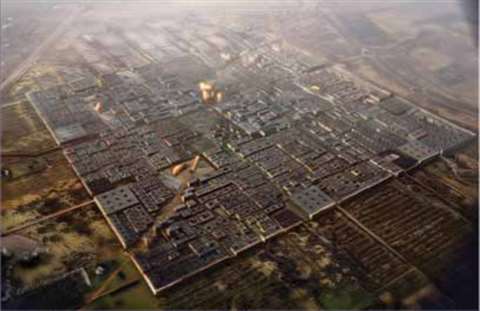
The Abu Dhabi Urban Planning Council (UPC) has launched an interim set of community planning guidelines to ensure sustainable development in the Emirate.
The new regulations, which form part of the Emirate's green initiative, Estidama, have been designed to ensure all developments adopt a range of sustainable measures.
The guidelines, which will eventually become mandatory, are also seen as a way to boost green space in the Emirate. It is envisaged that for every 10000 people living in the city there will be 2 ha of open space.
Abu Dhabi is looking to transform itself into a green city in line with the city's master plan, Plan Abu Dhabi 2030.
The draft guidelines will now be tested by developers and government entities, according to Falah Al Ahbabi, general manager at the Urban Planning Council.
Community guidelines will cover eight key topics; development patterns, alternative energy production, mobility and transportation, water conservation, natural resources, balanced, livable communities and integrated solid waste management.
Estidama, which means 'sustainability' in Arabic, is an integrated program to devise guidelines and regulations for sustainable (green) design, operation and maintenance of all types of buildings and communities within the Emirates of Abu Dhabi.
The program was launched in May this year by a number of government agencies and developers - Abu Dhabi Urban Planning Council (UPC), alongside the Environment Agency - Abu Dhabi (EAD), Abu Dhabi Municipality, (ADM) and developers, Masdar, Aldar and Sorouh in alignment with the leadership's vision to transform Abu Dhabi into a sustainable Arab Capital.
It will also help in implementing the overarching principles of Plan 2030 and its recommendations for the future of Abu Dhabi City's urban development.
The first phase of the Estidama program includes the identification of a set of design guidelines for residential and commercial new buildings.
Estidama New Building (ENB) design guidelines have been written to provide all concerned parties and stakeholders (decision makers, developers, the public, consultants, etc.) with outline information for an integrated approach to sustainable building design.
ENB design guidelines provide a holistic approach to sustainable design which sympathetically integrates the local and built environment in the regional context with the underlining principles of minimizing resource use and maintaining quality of performance.
ENB guidelines identified ten major sustainability elements that need to be addressed through a variety of design criteria including water; energy use; indoor environmental quality; ecology; management; transport; pollution; materials; waste management; and land use.
STAY CONNECTED



Receive the information you need when you need it through our world-leading magazines, newsletters and daily briefings.



CONNECT WITH THE TEAM